America's Pluto Return Came Four Years Early
The circuit closed in 2022, not on the birthday — because Pluto keeps its own calendar, not ours. What the 250th actually marks is older, and stranger.
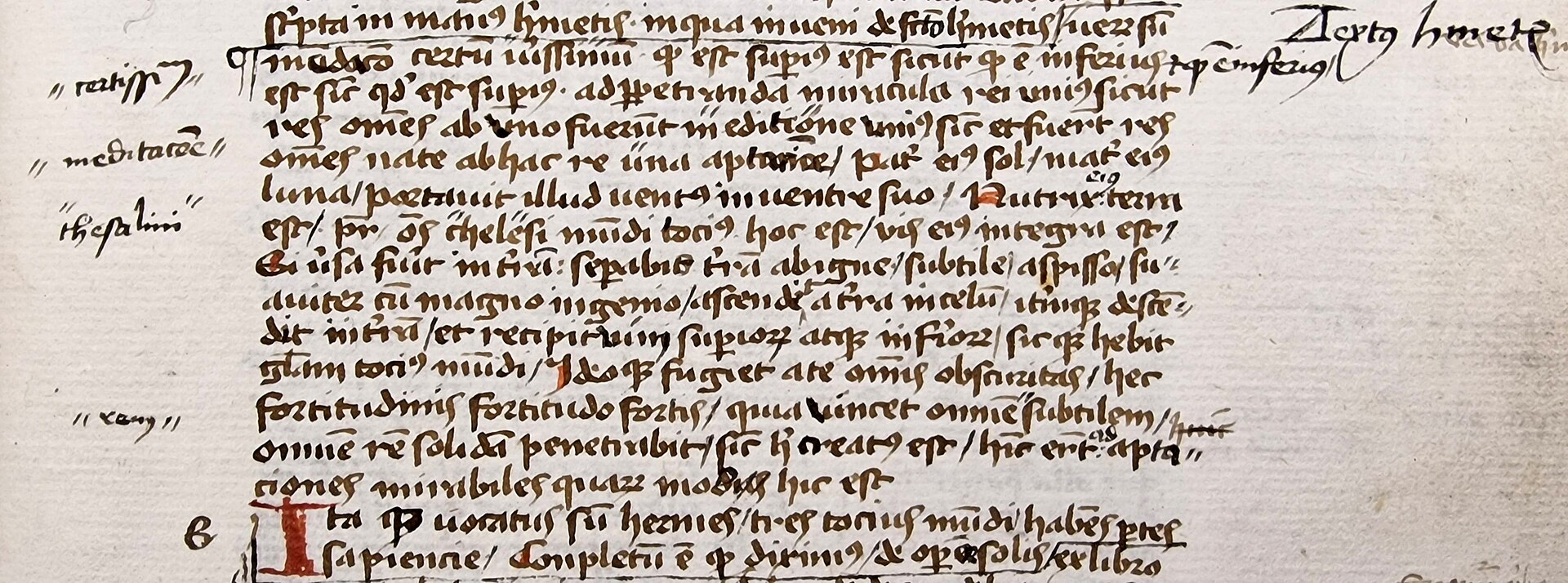
What Is the Emerald Tablet?
Thirteen lines, no confirmed author, and a thousand years of alchemists who treated it as the charter of their entire art — readable in full, here, in two minutes.
The Night the Sky Grew Larger
On March 13, 1781, a musician in Bath pointed a homemade telescope at the Twins and found the first new planet since before written history.
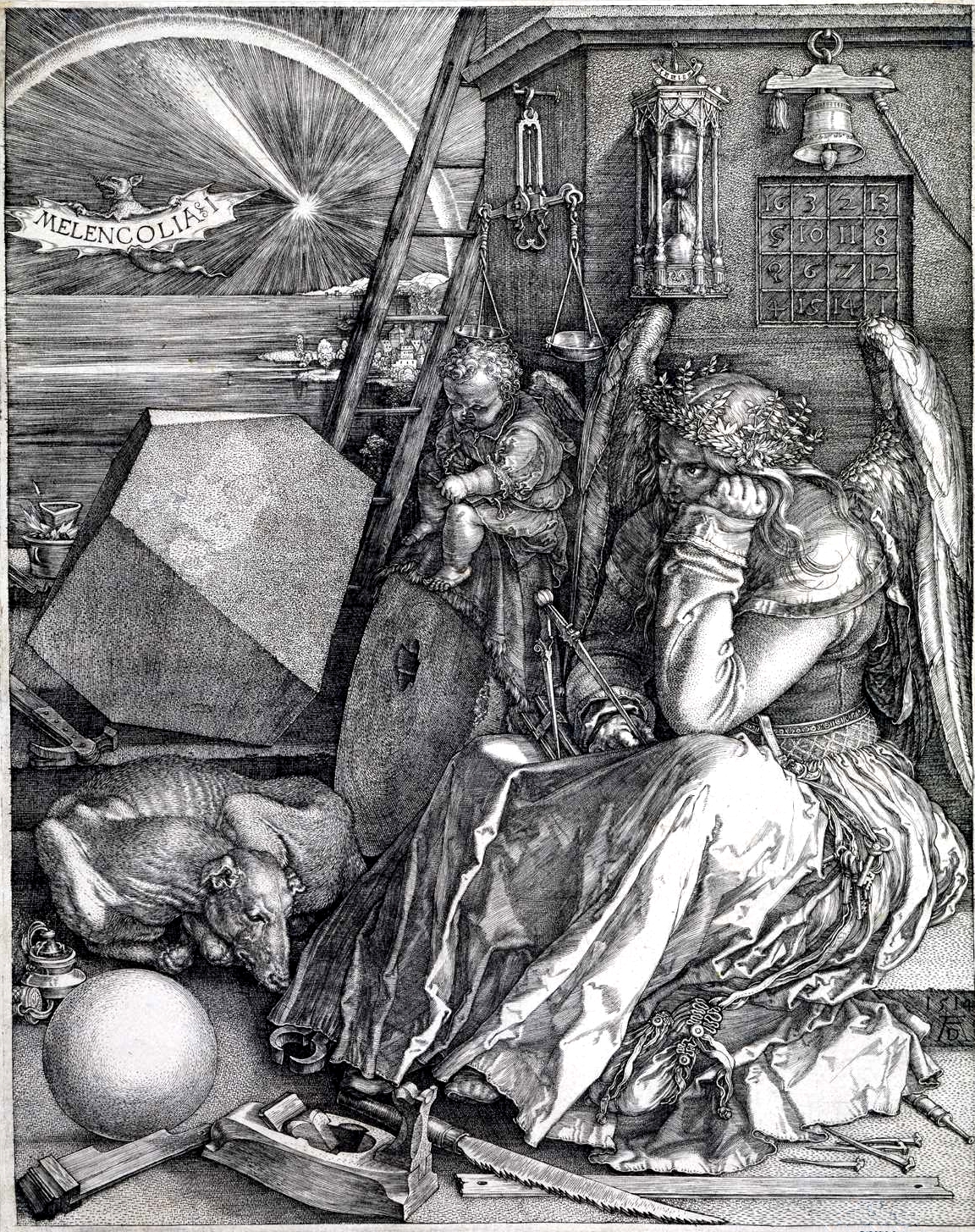
The Magic Square Dürer Engraved Into His Masterpiece
Melencolia I holds a perfect 4×4 magic square that signs its own date — 1514 — and the physicians of the age would have read it as medicine.
The Great Mutation of 1603
In December 1603, Jupiter and Saturn met in Sagittarius and opened a new age of fire — and the man watching from Prague followed the mathematics back to Bethlehem.
The Conjunction Blamed for the Black Death
In 1348, the University of Paris told the King of France — in writing — that the plague began with three planets meeting in Aquarius on March 20, 1345.
The Astrologer Who Drew London Burning
Fifteen years before the Great Fire, William Lilly published a woodcut of a city in flames. In 1666, Parliament summoned him to ask how he knew.
The Sun Goes Dark Over Spain
On August 12, 2026, the first total solar eclipse over mainland Europe in a generation sweeps from the Arctic to the Spanish coast at evening.
The Star of the Magi
In 7 BC, Jupiter and Saturn met three times in Pisces — and Babylon's astronomers had the whole year computed in advance.
The Eclipse That Dated the Ancient World
On a June morning in 763 BC, the sun went out over Assyria — and one line in a clerk's ledger became the anchor of ancient history.
The Almanac arrives at each new moon. Leave your name in the ledger.